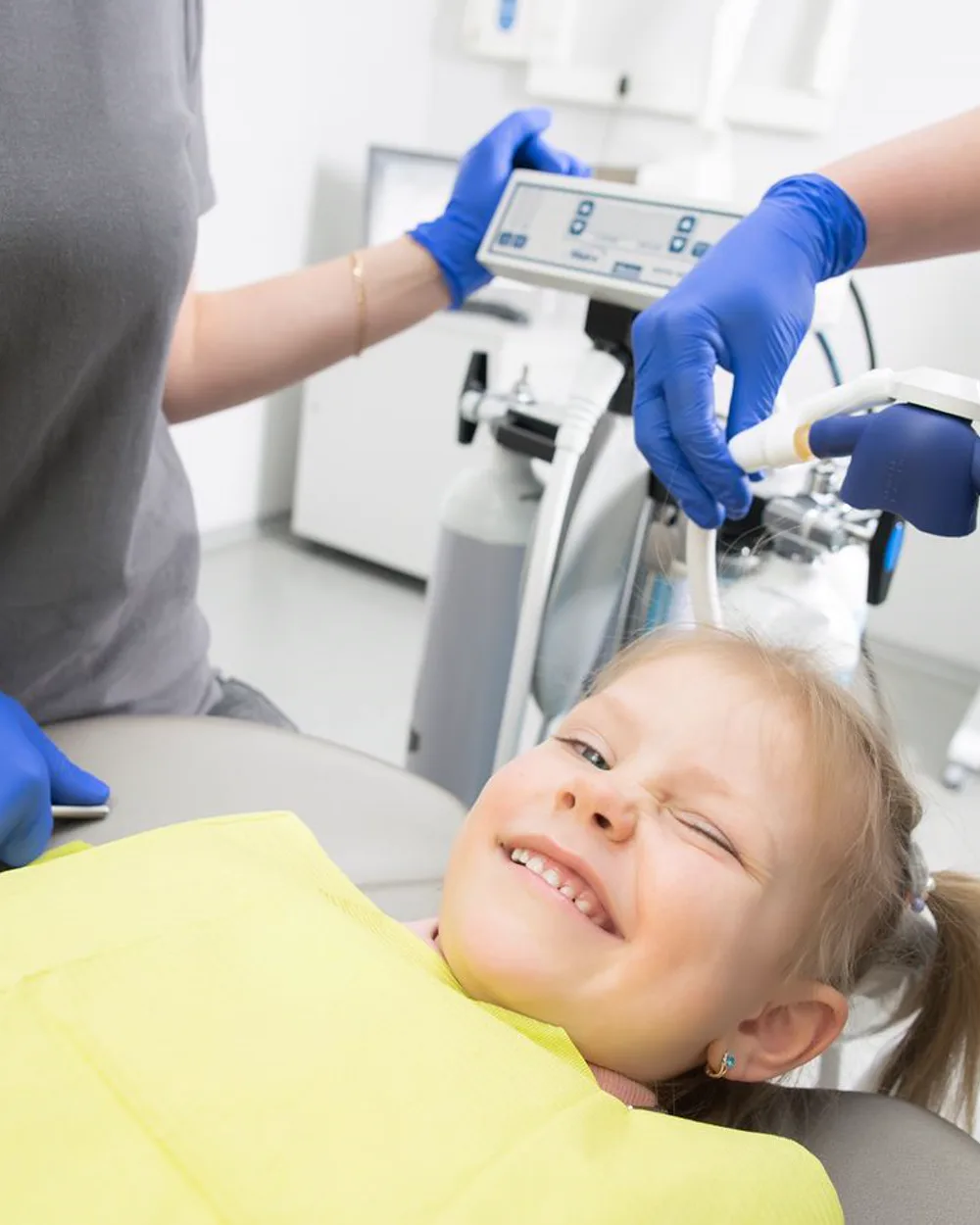
A child can be seen from the first tooth onwards. The purpose of an early visit is not to perform complicated treatment; it is to check development, discuss prevention and make the dental environment familiar.
Waiting until there is pain can make the first appointment harder because the child is meeting the dentist at the same time as they are frightened or uncomfortable.
What happens at an early visit
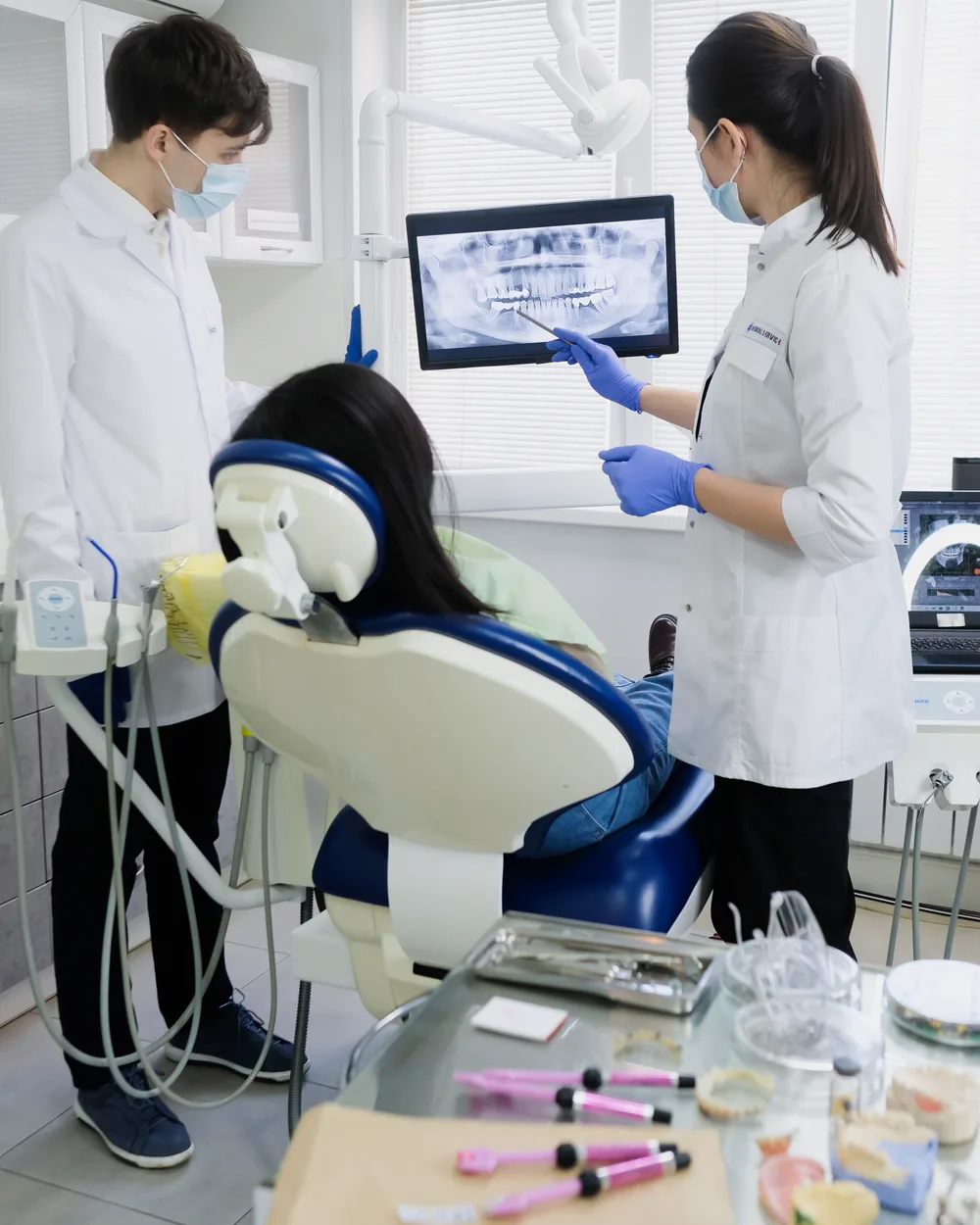
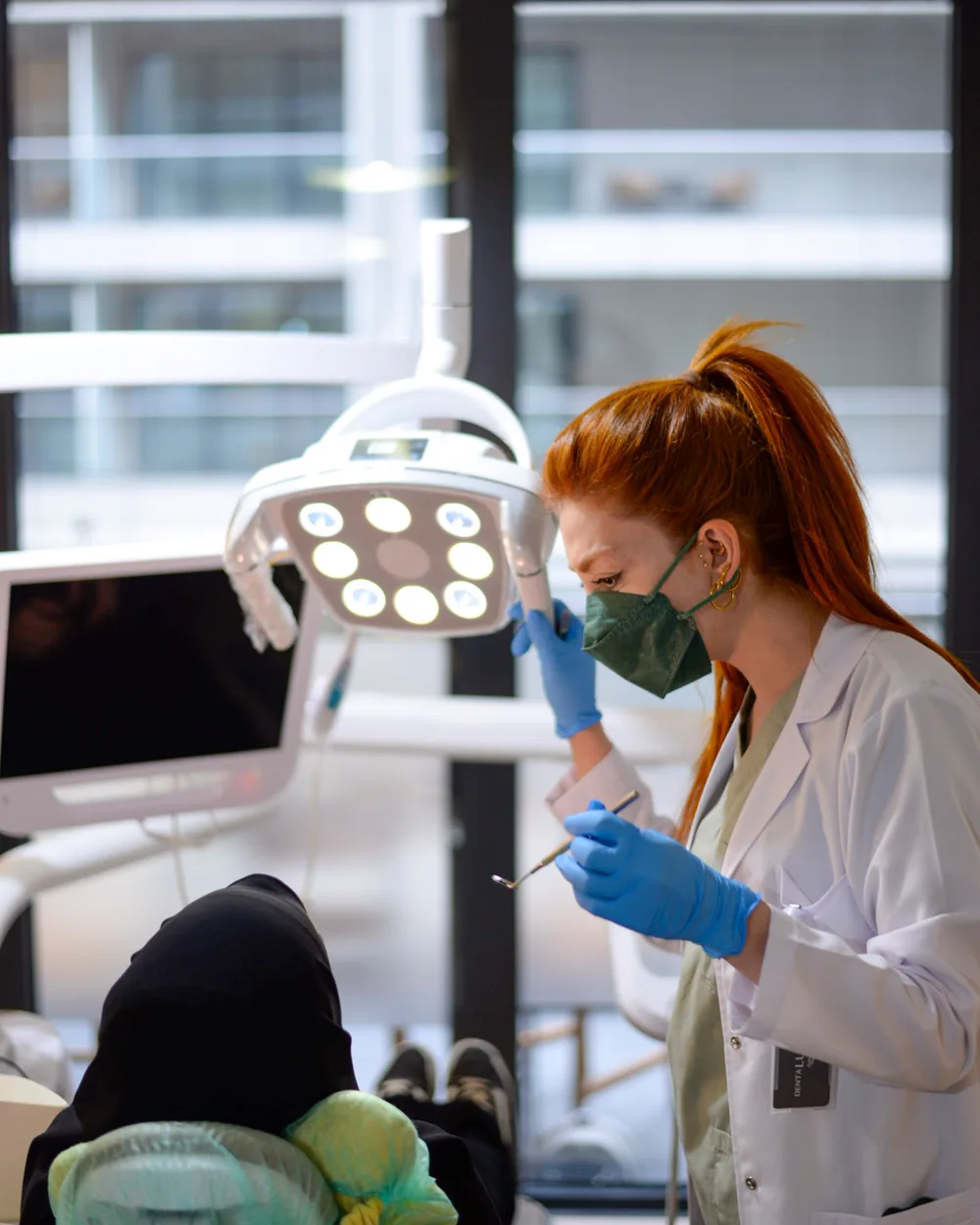
The dentist checks erupted teeth, gums, oral hygiene and development as far as the child comfortably allows. Parents can also ask about brushing, toothpaste, diet, habits and what changes to expect next.
Keep the explanation simple beforehand
Tell the child that the dentist will count and look at their teeth. Avoid promising that nothing will happen or using frightening words to prepare them for procedures they may not even need.
Prevention changes as the child grows
Advice can include brushing technique, fluoride use, diet, fissure sealants where appropriate and monitoring how permanent teeth are erupting.
Orthodontic assessment does not mean immediate braces
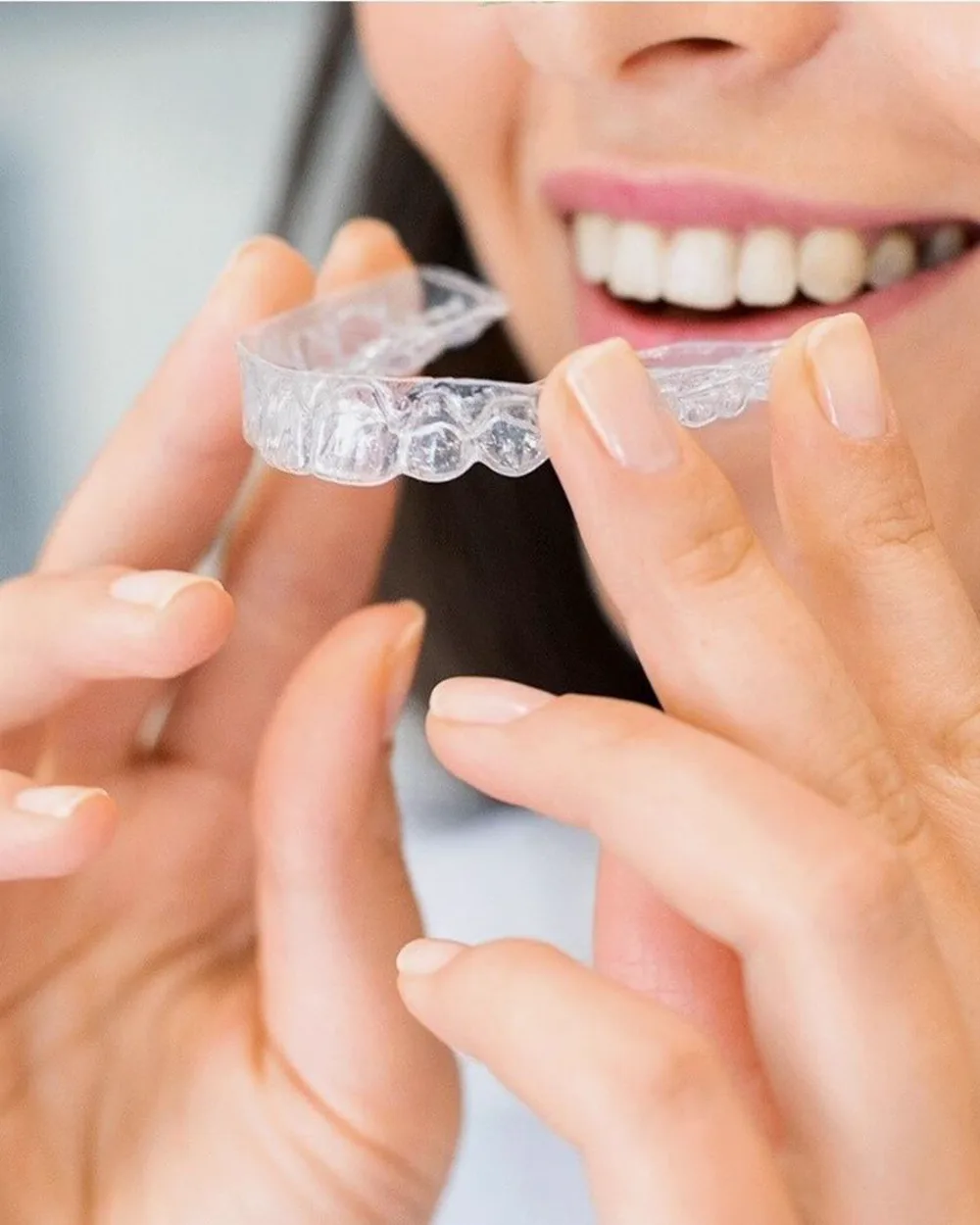
As adult teeth and the bite develop, an orthodontic assessment can identify problems that should be watched or occasionally treated early. Most children who are assessed early are not automatically started on braces.
Pain or swelling should not wait for a routine checkup
If a child has dental pain, facial swelling, trauma or a broken tooth, tell the clinic when booking so the visit can be treated as a problem-focused appointment rather than a routine first check.
Important
This guide is general information, not a diagnosis. Dental symptoms can overlap, and treatment decisions depend on an examination and any investigations that are clinically useful.